
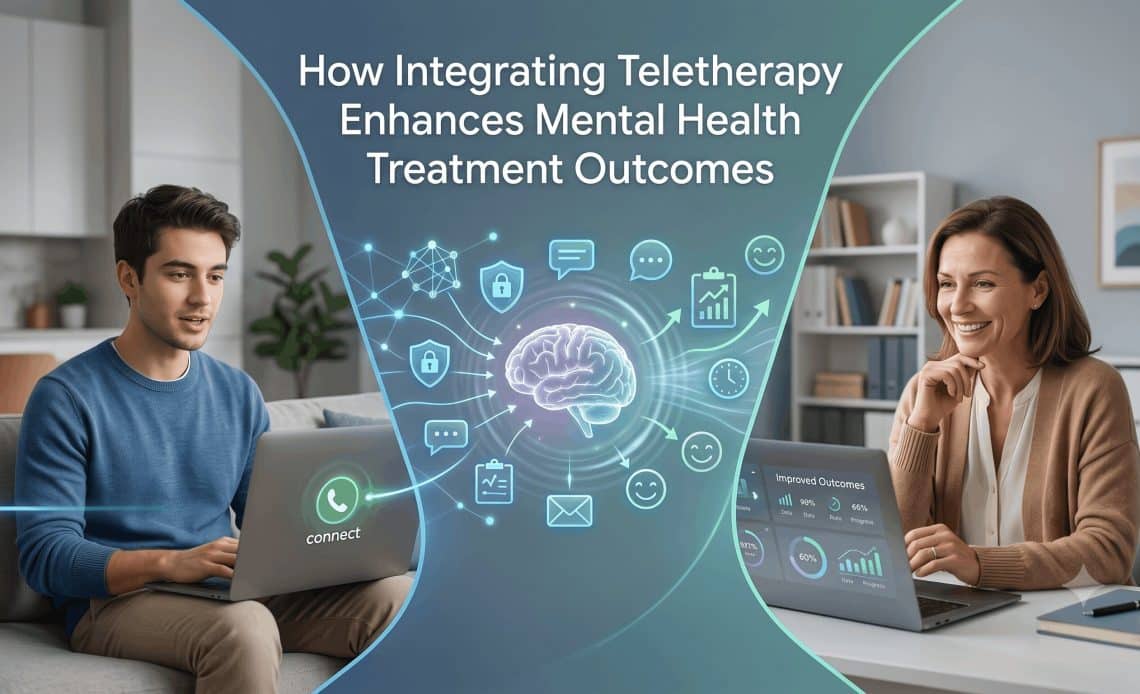
For individuals seeking support, integrating teletherapy into Mental Health Treatment programs offers a modern solution to traditional barriers. Whether due to geographical constraints or scheduling conflicts, many have found accessing mental health services challenging. This article explores how teletherapy not only addresses these issues but also improves outcomes through enhanced accessibility, engagement, and satisfaction. As we delve into these aspects, consider how teletherapy might transform your understanding and approach to mental health care.
Teletherapy as a Transformative Approach in Mental Health Care
Teletherapy represents a significant shift in the mental health landscape, leveraging technology to bridge the gap between therapists and clients. A key component of this transformation is the use of a Knowledge Management System, which ensures therapists have access to the latest research and treatment protocols. This system empowers practitioners to offer evidence-based interventions, enhancing the overall effectiveness of care. Additionally, teletherapy platforms often incorporate Compliance Matrix tools to ensure adherence to privacy regulations, providing clients with secure and confidential sessions.
Furthermore, the flexibility of teletherapy allows therapists to employ Agile Sprint Planning techniques. This approach facilitates rapid adjustments to treatment plans based on client feedback, ensuring that interventions remain effective and relevant. As a result, clients can experience more personalized care, tailored to their specific needs and circumstances.
Accessibility and Convenience in Remote Therapy Sessions
One of the most significant benefits of teletherapy is its ability to increase accessibility for individuals who might otherwise struggle to attend in-person sessions. By eliminating the need for travel, teletherapy reduces the obstacles associated with receiving care, such as transportation issues or time constraints. This is particularly beneficial for those living in rural areas or with mobility challenges.
Moreover, teletherapy platforms often include features such as Omnichannel Attribution, allowing clients to engage with their therapy through various digital channels. This flexibility enhances the convenience of sessions, making it easier for clients to integrate therapy into their daily lives. Consequently, this accessibility often leads to higher attendance rates and improved treatment adherence, ultimately contributing to better outcomes.
Enhancing Engagement and Building Therapeutic Relationships Online
Establishing a strong therapeutic alliance is crucial for successful Mental Health Treatment. Teletherapy platforms facilitate this by using tools such as Sentiment Analysis Tool to gauge client emotions and engagement levels during sessions. This real-time feedback allows therapists to adjust their approach, ensuring that the client feels heard and understood.
Additionally, the use of Lead Scoring Model in teletherapy helps therapists prioritize client interactions based on engagement levels, ensuring that those in need of immediate support receive timely attention. This proactive approach not only strengthens the therapeutic relationship but also enhances client satisfaction and progress.
Measuring Outcomes: Teletherapy’s Impact on Patient Progress and Satisfaction
To evaluate the effectiveness of teletherapy, it is essential to measure both patient progress and satisfaction. This can be achieved through tools such as Churn Rate Analysis, which tracks client retention and dropout rates. A lower churn rate indicates higher client satisfaction and engagement, suggesting that teletherapy is meeting their needs effectively.
Furthermore, teletherapy platforms often incorporate A/B Testing Framework to assess the impact of different therapeutic interventions. By comparing outcomes across various approaches, therapists can refine their methods to maximize effectiveness. This data-driven approach not only enhances treatment outcomes but also offers valuable insights into client preferences and needs.
Join Our WhatsApp Channel To Receive Updates
Join Our Facebook Channel To Receive Updates
Click Here to Join Our Telegram Channel To Receive Updates
Conclusion
Integrating teletherapy into mental health care offers numerous benefits, from increased accessibility to improved client engagement and satisfaction. By utilizing advanced tools and techniques, teletherapy provides a flexible and effective solution for those seeking support. For individuals navigating their mental health journey, teletherapy represents a promising avenue for achieving better outcomes and fulfilling therapeutic experiences.