
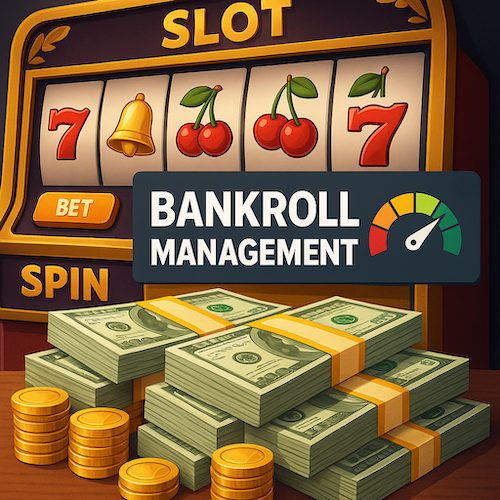
Bankroll Management for Slots: A Beginner’s 5-Step Guide
Start with a clear plan that protects your money from quick swings. Decide what you can afford to spend before the first spin begins. Keep your choices steady so wins feel rewarding and losses stay contained. Use simple steps that control pace plus mood. Track every round so your choices improve over time. Learn how stake size shapes the session. Practice stops that prevent tilt. Follow a structure that gives you confidence while still keeping play light. The five steps below keep things practical for new players who want calm sessions with steady habits.
Set Budget
Choose a fixed amount that you are happy to risk today. Keep this separate from regular needs so pressure stays low during play. Split the total into smaller piles for several sessions. The aim is slow use rather than a rush. Add one simple rule for resets after breaks. Place momoslots in your notes so the step stays memorable for you. Keep a small reserve for longer sessions when confidence and control stay balanced. Do not add extra cash once the set amount ends because that breaks structure.
Session Limits
· Set a session time so focus stays sharp from start to end.
· Keep fresh breaks between sessions to reset pace plus restore good judgement.
· Create a daily stop once the planned money is fully used.
· Note a cap for losses so mood does not steer later choices.
· Add a cap for wins so profit gets locked without second guesses.
· Log session details to track progress over weeks without skipping any notes.
· Stick to your record even when results shift suddenly since that builds consistency.
Bet Sizing
Adjust stake size so your budget lasts long enough to learn. Use small amounts at first so swings feel manageable. Raise stake size only after long practice with steady notes. Keep each raise small so control remains strong during swings. If results drop then scale back until calm returns. This patient method keeps play measured while you build better habits. You can apply fraction rules to divide your total fund into several smaller parts. This keeps spending level while still allowing modest rewards.
Variance Basics
· Expect streaks that rise or fall without a clear reason or cause.
· Short runs can mislead so trust the plan more than emotion swings.
· Higher swings drain a budget faster so use smaller stakes for safety.
· Lower swings extend sessions so you can study choices without stress.
· Never chase losses because pressure grows while judgement grows weaker.
· Hold patience during quiet times to prevent reckless changes or fast bets.
· Maintain calm review habits so sessions feel structured rather than reactive.
Bonus Rules
· Read the rules closely so small details do not surprise you later.
· Track playthrough numbers so you know the real cost of unlocking value.
· Avoid mixing offers that overlap since tracking becomes messy under pressure.
· Record start times so expiry limits never erase careful progress.
· Withdraw profits when allowed so gains become real rather than ideas.
· Separate each bonus record into its own note sheet for easy review later.
· Update every line once milestones complete to avoid confusion across offers.
Track Results
Write down stake size plus outcome after every round. Add quick notes about mood so patterns appear over weeks. Review the page before a new session. Look for rising stakes that follow losses. If you find this loop then pause. Plan the next session with a smaller size. This method turns history into guidance so future choices stay calm. Keep a summary page of total growth so motivation stays strong without pressure. Long logs reveal how progress builds slowly through steady structure.
Stop Signals
· Create a stop if your thoughts feel rushed or angry or numb.
· End the session if you ignore notes that once kept you steady.
· Walk away when small stakes start creeping upward without a clear reason.
· Pause the week if losses reach the limit you set on paper.
· Finish early when profit target hits the mark that you wrote.
· Use reminder alerts to keep yourself grounded before stress grows larger.
· Mark recovery periods for days when balance feels uncertain or strained.
Safer Play
· Play for fun with money set aside from regular needs only.
· Use timers so sessions end before fatigue weakens your focus.
· Share your rules with a friend so you stay accountable.
· Skip play when stress is high since choices turn cloudy fast.
· Seek support if control feels hard because help improves outcomes.
· Rely on written plans rather than emotions for long term progress.
· Keep learning about odds and pacing so skill replaces guesswork.
Strong money rules shape steady sessions through simple repeatable actions. First choose a firm amount that fits your life today. Then split it across several sessions so pace remains relaxed. Keep stakes small until notes show progress with fewer mistakes. Respect swings by sticking to a size that suits your plan. Record each round to learn from patterns rather than hunches. Use clear stops that protect mood plus cash during rough patches. Review bonus terms with care so value stays real. Place momoslot in your closing checklist to confirm the plan before you begin again. Structured play mixed with smart limits keeps your balance secure and your time well spent.
Join Our WhatsApp Channel To Receive Updates
Join Our Facebook Channel To Receive Updates
Click Here to Join Our Telegram Channel To Receive Updates